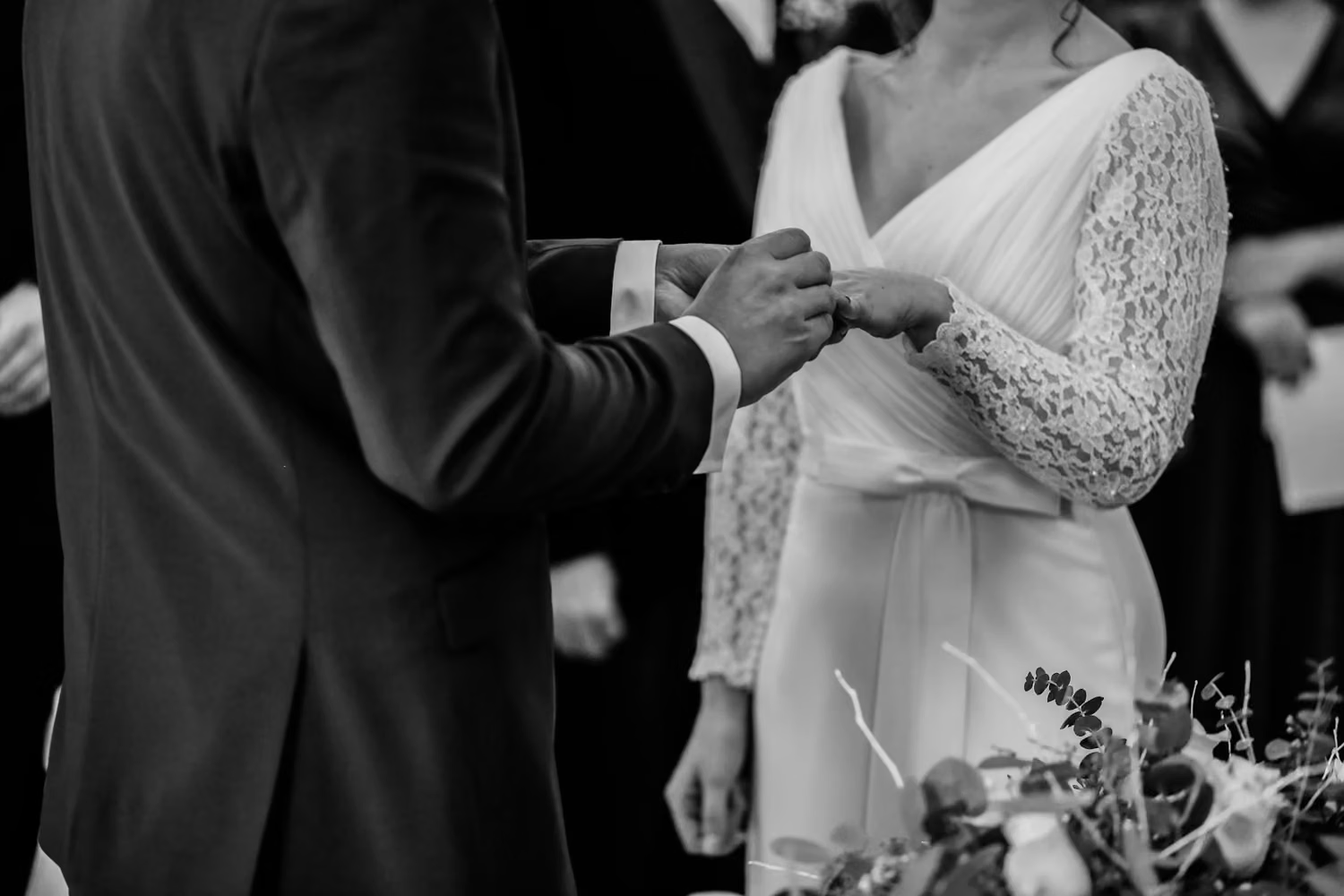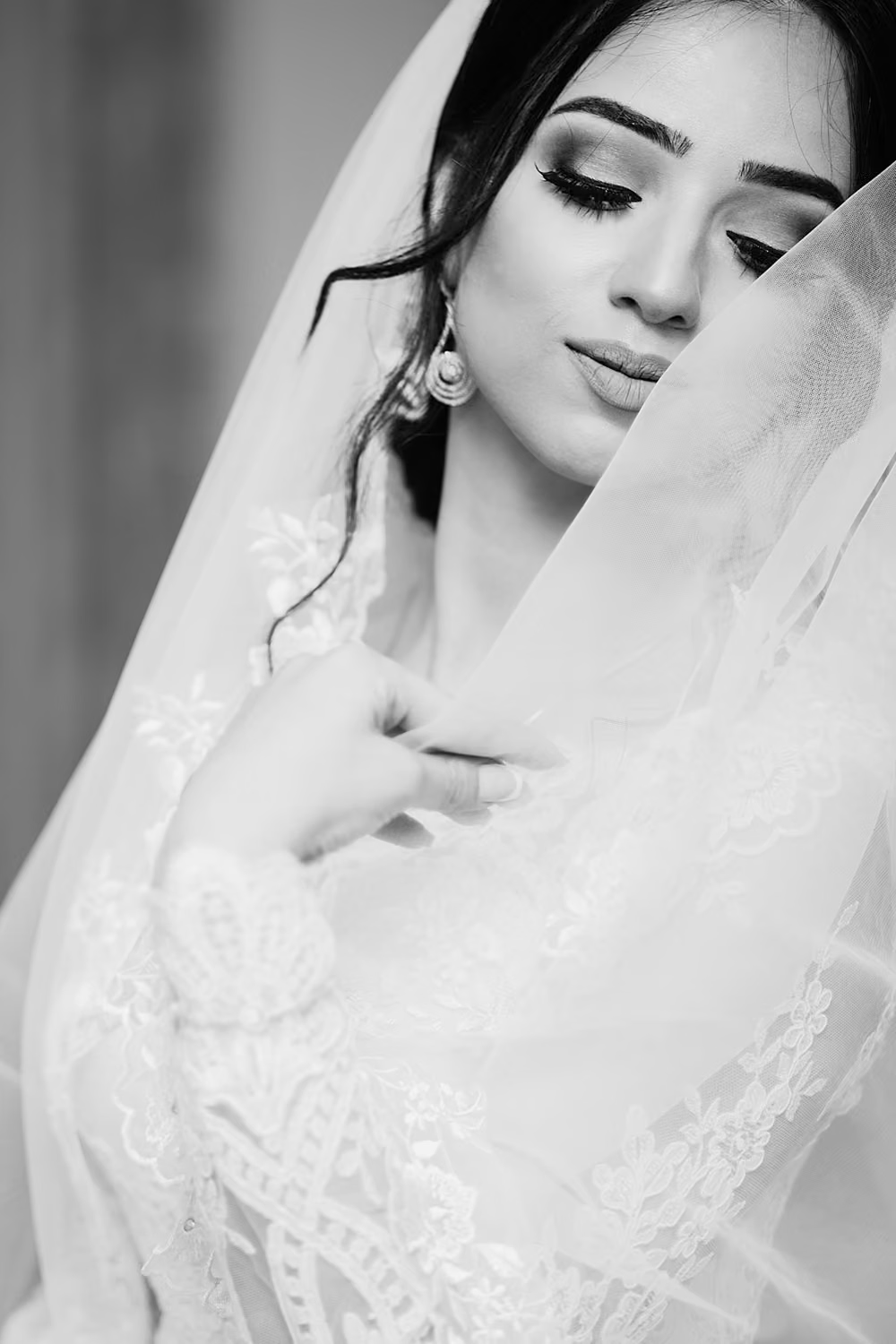
If you can only choose one, choose the one you’ll return to most. Photography gives you still moments to print, frame and share. Film gives you what photos can’t: voices, movement, and your vows and toasts as they actually sounded. Many couples book both, and when one team plans them together, photographers and filmmakers rarely get in each other’s way. Here is what each delivers, how combined coverage works and how to decide within your budget.
Photography and film deliverables compared
What photography delivers
Wedding photography centers on an online gallery of edited, high-resolution images, ready for printing and sharing. A full day usually produces several hundred finished photos, depending on hours of coverage and the size of the wedding. Beyond the gallery, photography gives you:
- Portraits you can print large or give as gifts
- Family formals, which often become the most requested images years later
- Detail and venue images to share with your planner and vendors
- Album and print options, since a printed book is the version people tend to pick up again
Photography is strongest at single moments: a glance, a hand on a shoulder, forty people looking at the camera at once.
What film delivers
Wedding film comes in several edits, and studios use the names differently, so it helps to know the common terms:
| Edit | Typical length | What it is |
|---|---|---|
| Highlight film | 3 to 6 minutes | A story-driven edit set to music, often built around vows and toasts |
| Social teaser | Under 1 minute | A short vertical or square clip for sharing |
| Ceremony edit | Full length | The ceremony from start to finish, usually from several camera angles |
| Speeches edit | Full length | Every toast in full, with clean audio |
| Documentary edit | Often 20 minutes or longer | A chronological film of the day, including moments a highlight film leaves out |
The ceremony and speeches edits are the pieces many couples come to value most over time, because they keep every word rather than a selection. A documentary edit suits couples who want to watch the day unfold in order.
What couples often wish they had booked
A regret couples often mention after the wedding is skipping film. The reason is simple: you can take new portraits on an anniversary, but you can’t recreate a grandparent’s toast or the sound of your own vows. Photos show what the day looked like; film keeps how it sounded.
Other common regrets:
- Too few coverage hours, so the exit or the best dancing went unrecorded
- No second photographer, so one side of getting ready or guest reactions during the ceremony were missed
- Cutting the full ceremony and speeches edits to save money
- Never ordering an album, so the images stayed on a hard drive
How a combined team works from one plan
When photographers and filmmakers come from one studio, they work from one plan. We build a single timeline, shot list and family formals list, and everyone on the team works from the same version. That coordination shows up in small ways:
- Positions. At the ceremony, the photographer moves along the aisle while filmmakers hold planned angles from the side and back, so nobody lingers in the other’s frame.
- Light. At the reception, lighting is placed to work for both stills and video, instead of two setups competing.
- Portraits. The photographer directs a pose, and the filmmaker captures the movement between poses without adding time.
- One contact. You answer questions once, and your galleries and films arrive through the same client portal.
Separate companies can work well together too, but it depends on communication. If you book two vendors, ask them to exchange timelines and talk before the wedding.
Audio decides how good the film is
Good wedding film depends heavily on good audio. Wind, a soft-spoken officiant or a DJ speaker next to the microphone can ruin a clip that looks fine. A careful film team records from several sources at once:
- A small lavalier microphone on the officiant and on one partner
- A recorder at the lectern or on the microphone stand
- A direct feed from the DJ’s or venue’s sound board for toasts
- Camera audio as a backup
Ask any film team how they record the ceremony and toasts, and what happens if one source fails. If you’re marrying outdoors near crashing surf or on a windy hilltop, mention it early.
How to budget without overspending
Instead of starting with a number for each vendor, start with what you want to have in 20 years. Then put the money where it does the most for that.
- List the moments you most want preserved, and note whether each is visual, spoken or both.
- Decide coverage hours before crew size. Missing the exit is usually worse than missing a second angle.
- If film is a stretch, prioritize the ceremony and speeches edits and a short highlight film over a long documentary edit.
- Ask which items, such as an album or additional edits, can be added later, so you can book the core coverage now.
- Compare proposals line by line: hours, number of photographers and filmmakers, deliverables and delivery times.
Booking photo and film from one studio can be more efficient, since planning and travel are shared, but compare what is actually included rather than the total alone.
Questions to ask any studio
These work for any photographer or filmmaker, including us:
- Can we see a full gallery and a full film from one wedding, not only highlights?
- Who exactly will be at our wedding, and is their work in what you showed us?
- How do you record audio for the ceremony and toasts?
- What are the delivery times for the gallery and for each film edit?
- How do your photographers and filmmakers coordinate during the day?
- What happens if someone is ill or equipment fails?
- Are the deliverables and delivery dates written into the agreement?
You can see complete examples on our work page and read how we cover weddings on our wedding photography and film page.
Plan your coverage with us
If you’re still deciding between photo, film or both, send us your date and venue and we’ll help you choose coverage that fits your day.