A good wedding timeline starts with two fixed points, your ceremony time and your sunset time, and works outward from both. Give getting ready, portraits and family photos realistic blocks of time, add 10 to 15 minutes of buffer before anything that can’t move, and share one version of the plan with every vendor. Here is how long each part really takes, with a sample schedule for a 4 pm ceremony.
The order of the day and getting ready
Most wedding days follow the same sequence:
- Details and getting ready
- First look and portraits, if you choose a first look
- Ceremony and family formals
- Cocktail hour and any remaining portraits
- Reception: entrance, dinner, toasts, first dance, parent dances and cake
- Open dancing and exit
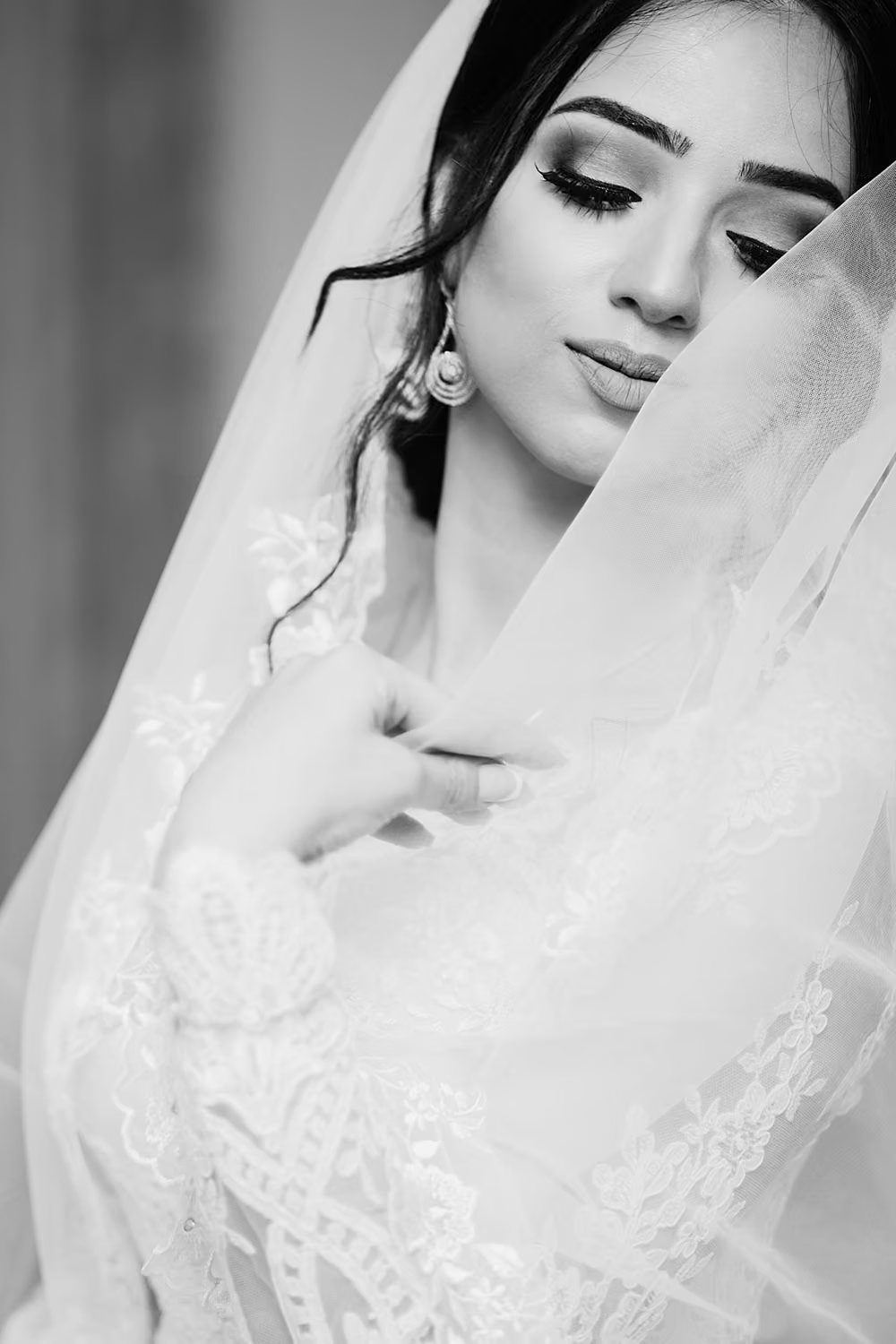
Hair and makeup usually run longer than planned, so ask your artists for a written schedule and put the couple near the end of it, but not last. As a rough guide, allow 45 to 60 minutes per person for hair and about the same again for makeup, less for simpler looks.
We usually arrive for the last hour of hair and makeup to cover the details (rings, invitation, shoes, jewelry), candid moments and final touches. Gather every detail item in one box before we arrive. If the two of you are getting ready in different places, a second photographer or a filmmaker can cover the other location. Getting dressed takes 15 to 20 minutes, so protect that time on the schedule.
First look or no first look
A first look is a private moment before the ceremony when you see each other for the first time, usually followed by couple portraits and wedding party photos. It moves most of the portrait work earlier, so you can join cocktail hour and spend more time with guests.
Skipping the first look is an equally valid choice. It means portraits of the two of you, the wedding party and your families all happen after the ceremony, usually within a cocktail hour of 60 to 90 minutes. That is tight but workable with a well-organized family list and portrait spots close to the reception.
For film, both work. A first look gives the filmmaker a quiet scene with clean audio, especially if you exchange letters. No first look gives a stronger reaction at the end of the aisle.
Family formals: the list and the timing
Plan 2 to 3 minutes per group. Ten to fifteen groups, which covers most families, takes about 30 minutes, as long as the list is written in advance and someone who knows everyone is gathering people.
To make the list:
- Write each group by name, not by label (“Grandma Rose, Aunt Linda and Uncle Paul” rather than “Mom’s side”).
- Start with the largest groups and with anyone older or with young children, so they can leave first.
- Keep it to immediate family and grandparents; extended family can happen during the reception.
- Tell your photographer privately about sensitive dynamics, such as divorced parents.
- Ask one family member from each side to act as the gatherer.
Family formals usually happen right after the ceremony, at the ceremony site. Let everyone on the list know to stay put.
Golden hour, buffer time and travel
Golden hour is the stretch before sunset when the sun sits low and the light turns soft and warm. Its length depends on your location and the season, so look up the sunset time for your exact date and venue in a weather app or NOAA’s solar calculator. Check the wedding date itself, since daylight saving time shifts the clock in March and November in most of the US.
Plan 15 to 20 minutes of portraits starting roughly 30 to 45 minutes before sunset. In a valley or among tall buildings, the sun drops out of sight earlier than the official time. In winter, sunset in much of the country falls before 5 pm, which often moves portraits before the ceremony.
For buffer, add 10 to 15 minutes before the ceremony, before your grand entrance and before any portraits tied to sunset. If it goes unused, you get a few quiet minutes together.
If your ceremony and reception are in different places, take the map estimate and add 15 to 30 minutes for loading cars, traffic and parking. Your photo and film team needs to reach the ceremony before you do, so plan their travel separately.
Sample timeline for a 4 pm ceremony
This example assumes a first look, one venue and a sunset around 7:25 pm. Shift the golden hour block to match your date.
| Time | What happens | Notes for photo and film |
|---|---|---|
| 12:30 pm | Team arrives | Details, then getting ready |
| 1:40 pm | Couple gets dressed | Protected 20 minutes |
| 2:15 pm | First look | Clean audio for letters |
| 2:30 pm | Couple portraits | About 30 minutes |
| 3:00 pm | Wedding party photos | About 20 minutes |
| 3:20 pm | Buffer, couple out of sight | Ceremony space filmed |
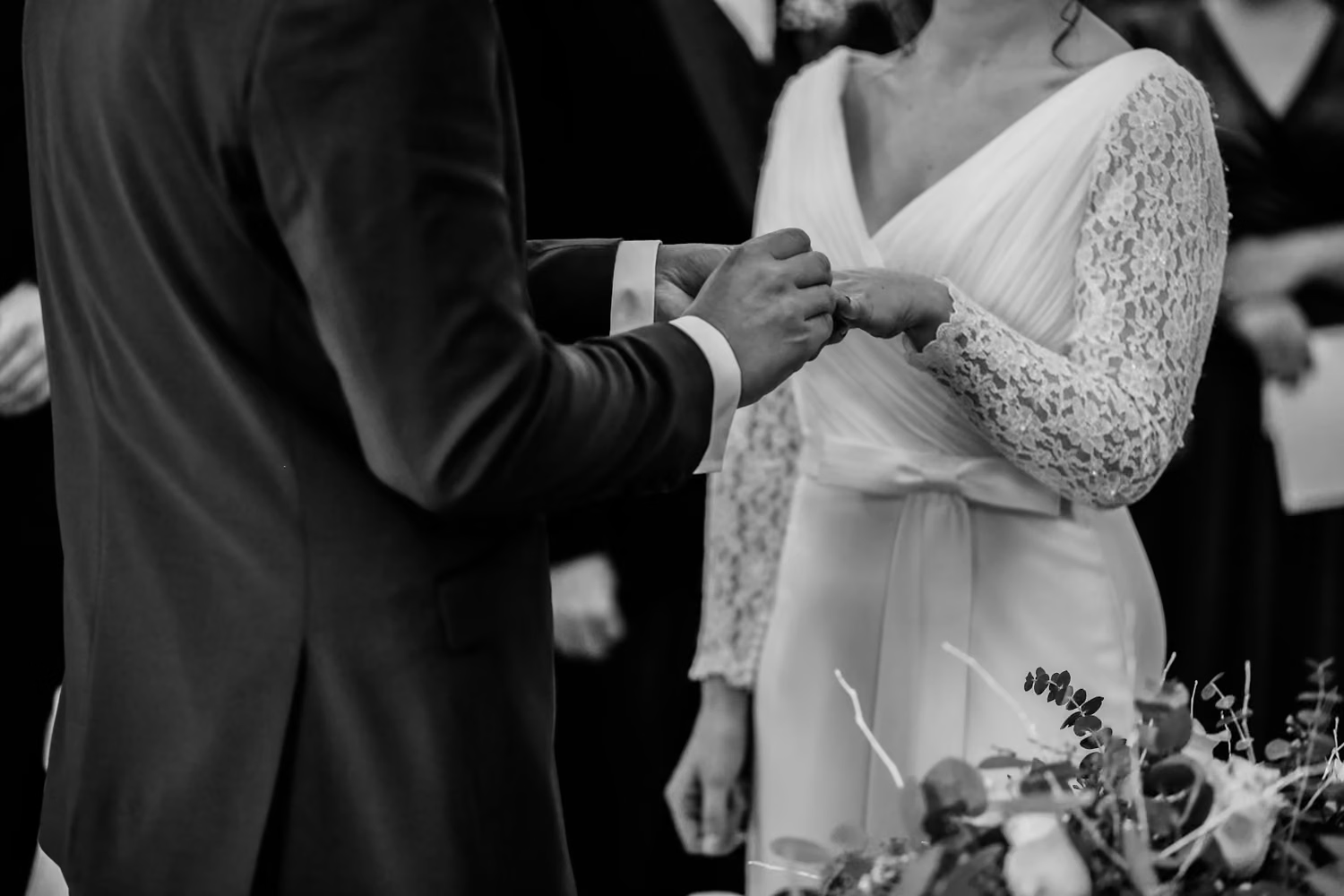
| 4:00 pm | Ceremony | Microphones placed |
| 4:30 pm | Family formals | 10 to 15 groups |
| 5:00 pm | Cocktail hour | Couple joins guests |
| 6:00 pm | Entrance and dinner | Team eats with guests |
| 6:30 pm | Toasts | DJ sound board audio |
| 6:45 pm | Golden hour portraits | 15 to 20 minutes |
| 7:10 pm | First dance, parent dances | Dance floor lit |
| 7:35 pm | Cake, then open dancing | Candids |
| 9:00 pm | Staged exit | End of coverage |
Without a first look, move couple and wedding party portraits into cocktail hour and start coverage about an hour later.
Reception moments and what your team needs
Group the main reception moments into the first 90 minutes or so of the evening: entrance, toasts, first dance, parent dances and cake. After that, guests can dance and you have more flexibility on coverage hours. If a sparkler exit matters to you, consider staging it earlier while more guests are still there. Tell us about anything unscheduled, such as a surprise performance or a cultural tradition, so a camera is in the right place.
A few requests make a real difference to the gallery and film:
- Clean audio. Vows and toasts carry a wedding film. We place a small microphone on the officiant and often on one partner, and record from the DJ’s or venue’s sound board during toasts.
- Clear sightlines. Ask your officiant about rules on movement or flash, and consider an unplugged ceremony so phones don’t block the aisle.
- Meals at the right time. Serve the team when guests are served, so they’re ready before toasts.
- One point of contact. A planner or trusted friend who knows the schedule.
- Light to work with. Candles and warm uplighting help; strongly colored light on faces is hard to correct.
You can read more about how we plan coverage on our wedding photography and film page and in our planning process.
Plan your timeline with us
If you’d like help building a timeline around your ceremony, sunset and venue, tell us about your day and we’ll draft one with you.