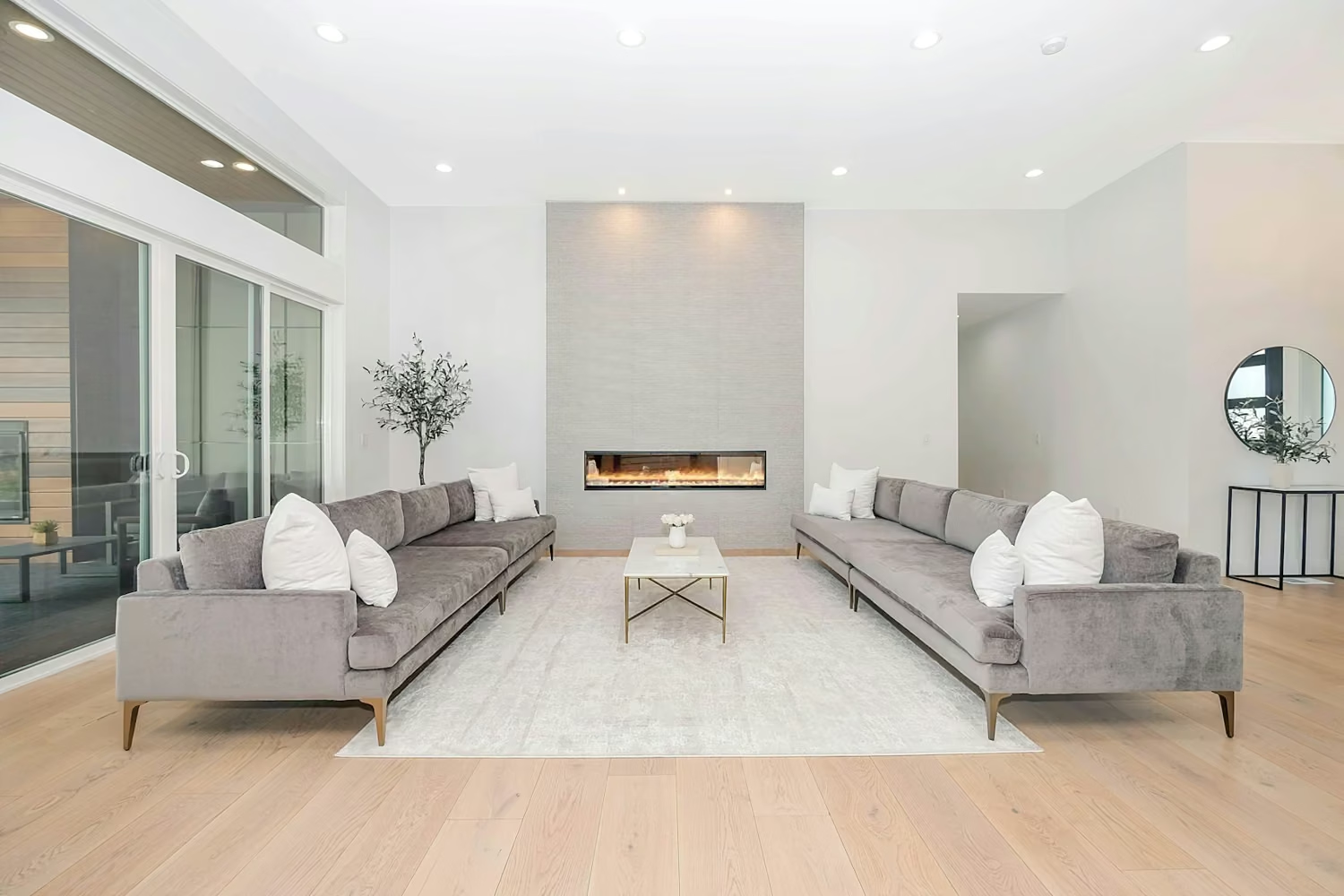
The short answer: clear every surface you can, turn on every light, open the blinds to the same height, and get cars, pets and people out of the frame. Most of what makes listing photos and video look polished happens before the photographer arrives, and it rarely costs more than an afternoon.
Below is the checklist we send sellers and agents, followed by what we take care of on our side.
Room by room: declutter, lights and blinds
Cameras exaggerate clutter. A wide lens takes in more of a room than your eye does, so a few items on a counter read as a crowded surface in a listing photo. The goal isn’t an empty house. It’s a house where buyers can picture their own things.
Every room
- Remove about half of what sits on flat surfaces: counters, dressers, nightstands and shelves.
- Take down personal photos, children’s artwork, calendars and anything showing names or addresses.
- Hide cords, chargers, remotes and small electronics.
- Turn off ceiling fans and TVs, and replace any burned-out bulbs.
- Put laundry baskets, shoes, pet beds, bowls and trash cans out of sight.
Lights, with matching bulbs
Turn on every light: lamps, overheads, under-cabinet lights, range hood lights and closet lights if the door will be open. Then check that the bulbs match. A room with one cool daylight bulb and three warm ones photographs with patchy color that can’t be fully corrected, and it’s even harder to fix in video. Pick one color temperature (warm white, around 2700K to 3000K, suits most homes) and use it throughout.
Blinds and window coverings
Open blinds and shades to the same height in each room, or tilt every slat to the same angle. Uneven blinds are one of the most common distractions in listing photos. Pull curtains back evenly, and remove torn window screens.
Bedrooms
Make beds with smooth, light-colored bedding and plump the pillows. Clear nightstands down to a lamp and perhaps one book. Close closet doors unless the closet is a selling point, in which case thin out the contents so it looks roomy.
Bathrooms
Put toilet seats down and clear the counter except for a soap dispenser or a small plant. Hang one set of fresh, neatly folded towels. Remove bath mats, razors, shampoo bottles and the toilet brush, and straighten the shower curtain or leave the glass clean and closed.
Kitchen
Clear counters down to two or three items at most. Take everything off the refrigerator door, magnets included. Hide dish soap, sponges, towels and small appliances, and wipe down stainless steel, which shows every fingerprint in close shots.
Pets and people
Plan for pets to be out of the house or settled in one area we won’t photograph, with their bowls, beds and toys put away. Homeowners and tenants are welcome to stay, but it helps to wait outside or move one room ahead of us so no one appears in a mirror or a video pass.
Exterior and landscaping
The front exterior is usually the first photo buyers see, so it deserves the same attention as the kitchen.
- Mow and edge the lawn a day or two before, so clippings have time to disappear.
- Sweep walks, the porch and the driveway. Coil hoses and put away yard tools.
- Move cars out of the driveway and, if you can, off the street in front of the house.
- Close garage doors and store trash and recycling bins out of view.
- Set out patio furniture with cushions, clean the pool and turn on any fountains.
If rain or snow is forecast, tell us early. Under our booking policy, exteriors, twilight and aerial work can move to another day at no charge when the weather is poor, and we can often still shoot the interior as planned.
Twilight exteriors
A twilight exterior is shot around sunset and in the minutes after it, when the sky still holds color and the interior lights glow through the windows. It suits homes with large windows, landscape lighting or a pool, and it stands out on listing sites where most photos are shot in daylight.
For twilight, every interior and exterior light should be on, blinds open and the house ready exactly as it was for the day shoot. The usable window is short, often around 20 to 30 minutes, so we schedule it as a separate visit or as the last part of the day.
Walkthrough video and drone timing
Listing video asks a little more of the house than photos do. The camera moves through the space, so a stack of mail we could crop out of a still may sit on screen for several seconds.
Pacing the walkthrough
We plan walkthrough video in the order a buyer would tour the home: arrival, entry, main living spaces, kitchen, primary suite, then outdoor areas. Each shot is usually a slow, steady move lasting a few seconds, so viewers can read the space without feeling rushed. A full walkthrough typically runs one to two minutes, and we can cut shorter vertical versions for social media. Open interior doors along the path, and silence radios, dishwashers and anything else that hums if the video uses natural sound.
When the drone flies
Aerial photos and video show lot size, the neighborhood and nearby water, parks or views. We usually fly when the sun is on the front of the house, which depends on which way it faces, and we avoid flat midday light that turns roofs into glare. Commercial drone flights also depend on wind, weather and airspace: the pilot needs an FAA Remote Pilot Certificate, and flights near many airports need authorization in advance. We check all of this when the shoot is booked, not on the morning of.
What the photographer handles
Sellers sometimes worry about fixing things that are really our job. On our side:
- Straight verticals. Walls and door frames should stand upright in the photo, not lean inward. We control this at capture with camera height and leveling, then correct any remainder in editing.
- Window exposure. A bright window beside a darker room is hard for any camera. We bracket exposures or add light so the room and the view outside both look natural.
- Consistent color. We balance white across the whole set so the rooms look like one house, not five.
You can see what each package includes on our real estate services page.
Honest editing and virtual staging
Editing should make a home look its best, not different. Correcting color, brightening a dim room, replacing a flat gray sky and removing temporary items such as a garden hose or a parked car are standard. Removing permanent features is not: power lines, a neighboring building, water stains, driveway cracks or a view that isn’t there. Those edits can mislead buyers and cause problems for the listing agent.
A listing photo should make buyers want to visit, and the house should look the same when they do.
Virtual staging, where furniture is added digitally to an empty room, helps buyers understand scale and how a space can be used. Many MLSs and brokerages require virtually staged images to be clearly labeled, and it’s good practice to show the empty room as well. Check your MLS rules before the listing goes live, and keep the unstaged originals ready alongside the staged versions.
Plan your listing shoot
When you’re ready to list, tell us about the property and we’ll send a prep checklist and a schedule that fits your timeline.