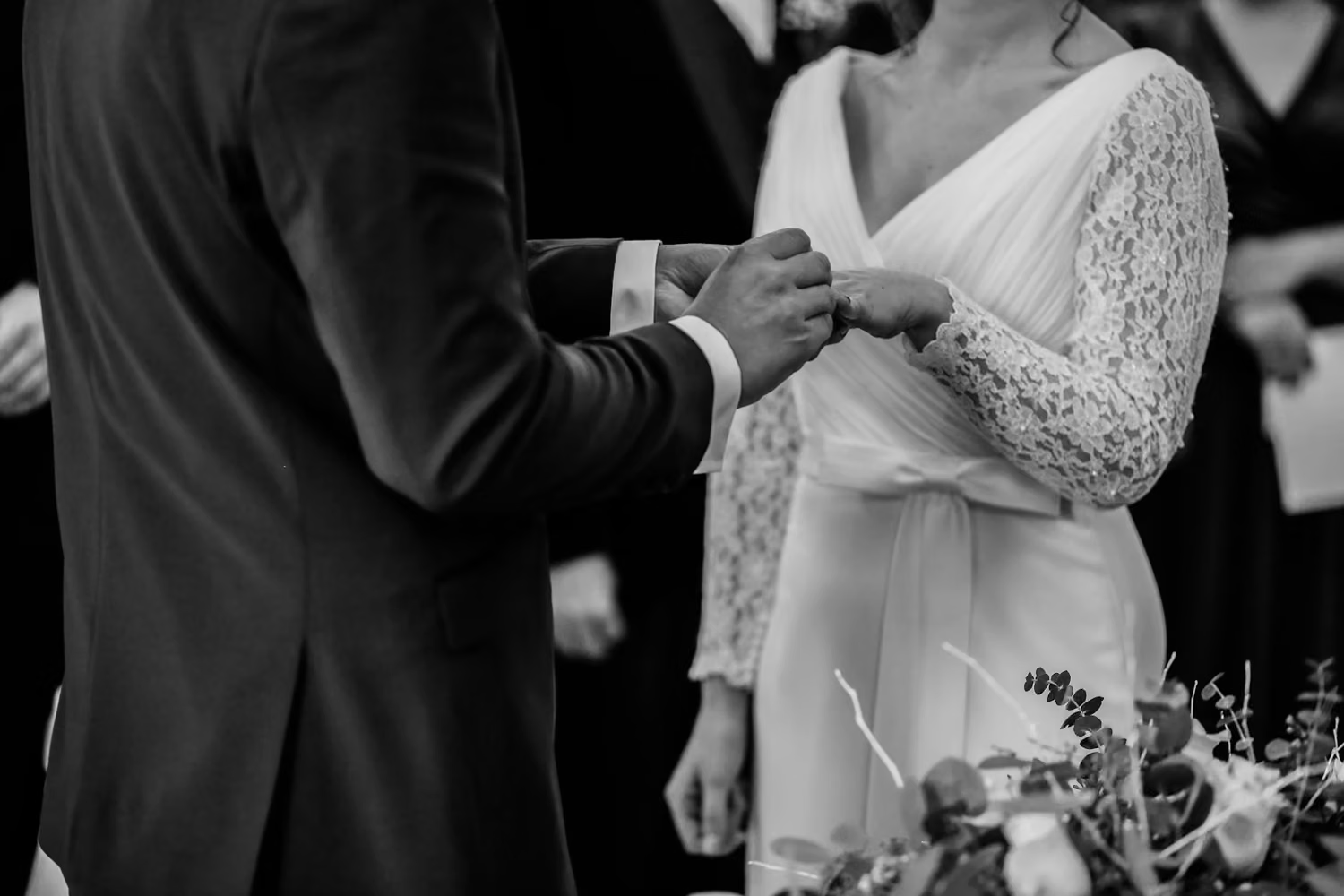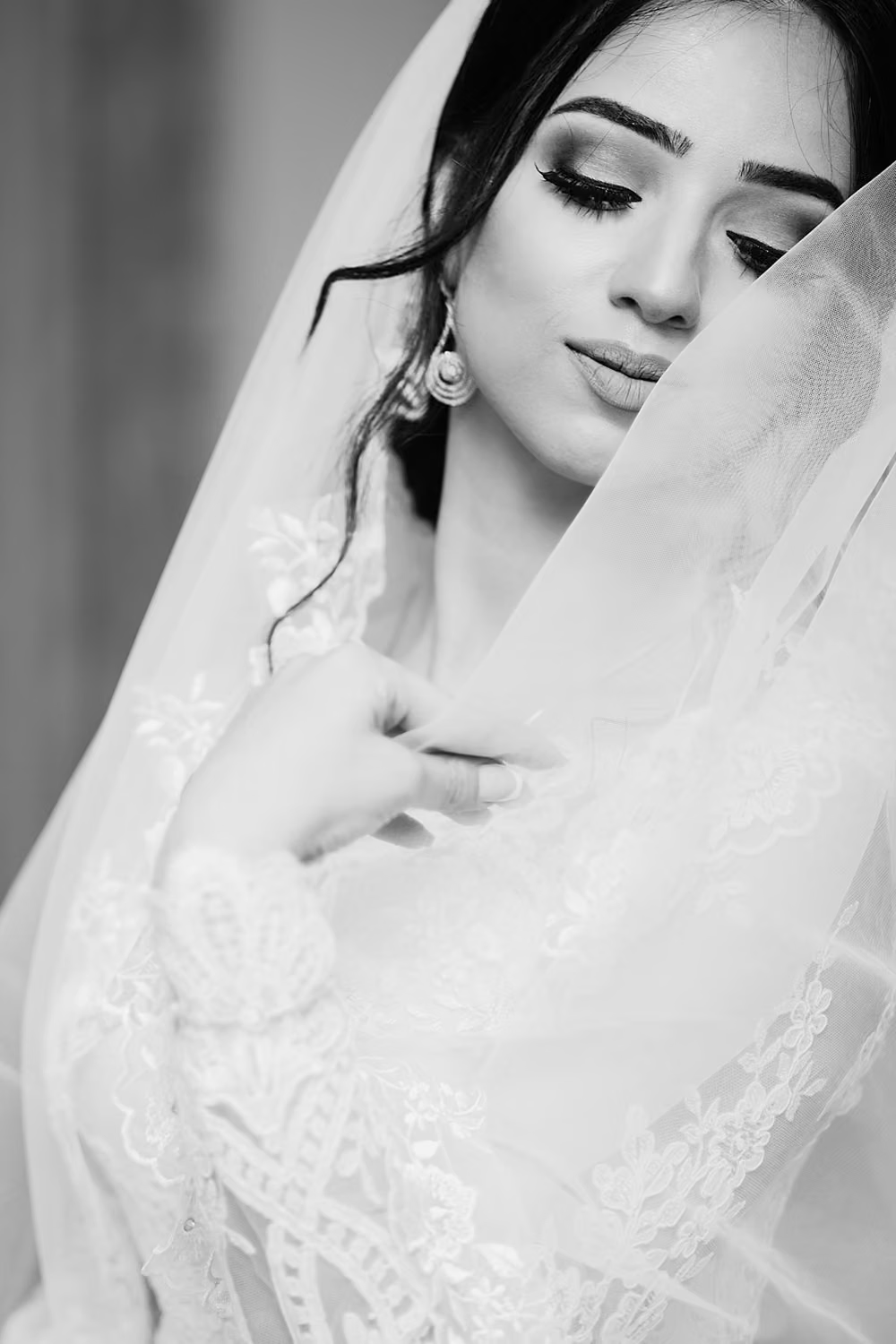
The simplest rule for family photos is to choose a palette, not a uniform. Pick three or four colors that work together, dress each person in one or two of them, skip logos and busy patterns, and make sure everyone can move and sit comfortably. The result looks put together without looking staged, and it keeps attention on faces rather than clothes.
Start with a palette, then coordinate
Pick three or four colors
A palette of three or four colors, with a neutral or two as the base, is easy to plan and hard to get wrong. A few combinations that photograph well:
- Cream, camel, rust and denim blue
- Navy, white, soft gray and a touch of mustard
- Sage, oatmeal, dusty rose and brown
- Charcoal, burgundy, ivory and olive
Muted, slightly earthy tones flatter most skin tones and sit well against most backgrounds. Very bright colors, especially neon, reflect onto faces and pull the eye. Bright white and solid black can lose detail in strong sun, so off-white and charcoal are often safer choices.
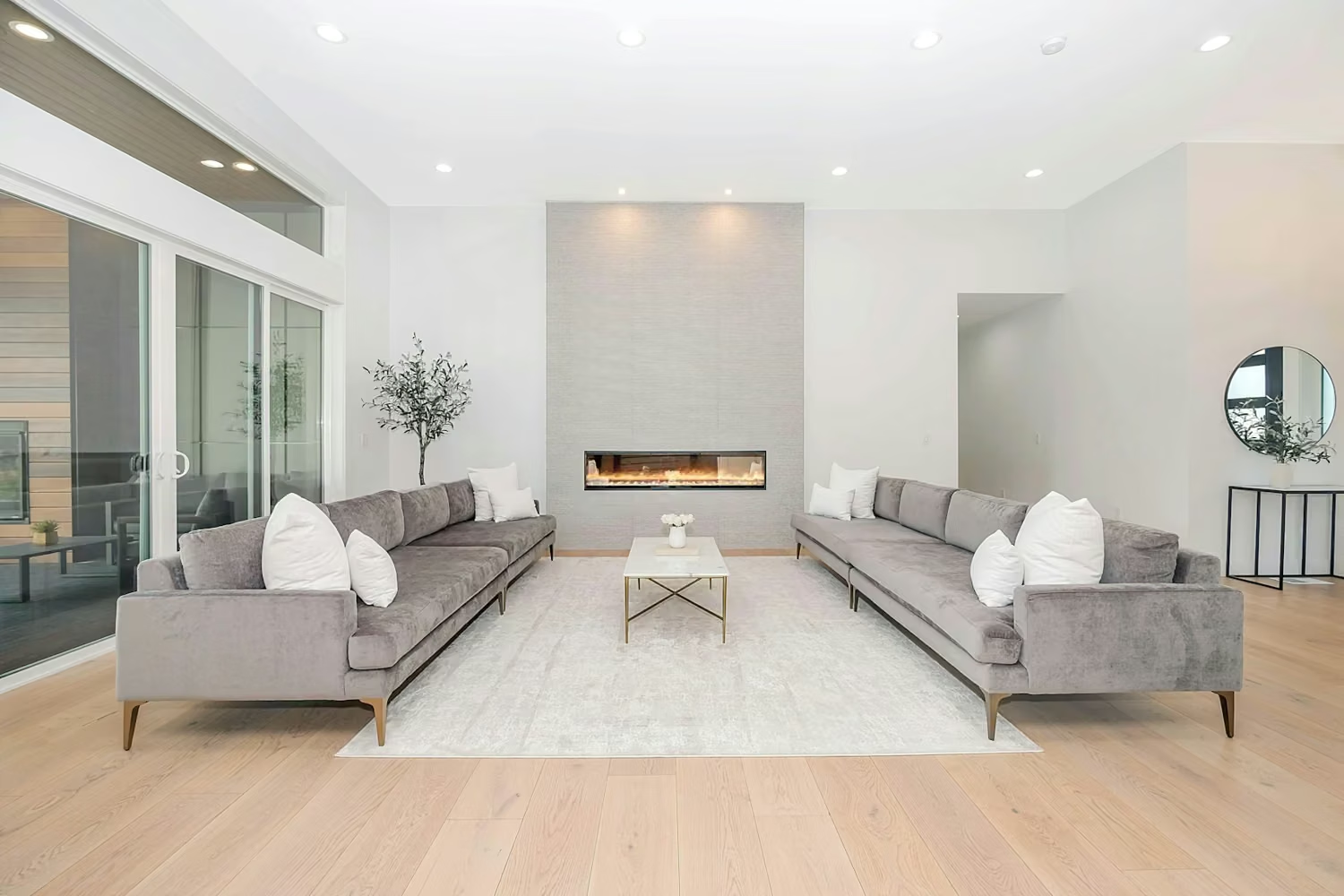
Plan around your location too. In a green park, avoid dressing everyone in green. On a beach, soft blues, whites and sand tones feel natural. For a session at home, look at your sofa, walls and bedding, since they’ll be in the frame.
Coordinate rather than match
Matching outfits, such as everyone in white shirts and jeans, tend to flatten a group into one block. Coordinating means each person wears something different from the same palette, with a mix of light and dark tones and a mix of textures.
Start with the person who is hardest to dress, often a parent or a teenager, and build everyone else around that outfit. Then lay all the outfits out together on a bed or the floor and take a phone photo. If one piece jumps out, swap it. Keep formality consistent too: one person in a blazer and another in gym shorts will look like two different sessions.
Patterns, logos and textures
Large logos, text and cartoon characters pull attention away from faces and date photos quickly. Leave them for another day.
Small, tight patterns such as thin stripes, small checks and fine houndstooth can create a shimmering effect called moiré in photos, and it is often worse on video. Larger, softer patterns are fine in moderation. A good guideline is one patterned piece for every three or four people, with everyone else in solids.
Texture is what makes solid clothing look rich instead of flat. Chunky knits, linen, corduroy, denim, lace and soft cotton add depth without adding visual noise. If your palette feels plain, add texture before you add pattern.
Shoes, season and location
Shoes show up more than people expect, especially in full-length and seated photos. Clean, simple shoes in neutral tones work best, and bright sneakers can pull focus unless they suit the whole look. On a beach, bare feet are usually easiest. On a trail or in a field, choose shoes you can walk in.
Dress for the season and the setting:
- Fall and winter: sweaters, coats and scarves, with gloves and hats you can take off between shots
- Spring: light layers in softer colors, plus a jacket for cool mornings and evenings
- Summer: breathable linen and cotton, in lighter colors that won’t show sweat
- At home: relaxed, cozy clothes and clean socks, since shoes often come off
If your session includes a short family film, think about movement and sound. Dresses that twirl and scarves that catch the wind look lovely on video, while jangling bracelets and rustling jackets can end up in the audio.
Kids’ comfort comes first
A comfortable child gives you more real moments than a perfectly dressed unhappy one. Choose soft fabrics, cut out itchy tags, skip stiff collars and make sure shoes fit. Have kids wear their outfits once at home before the session so nothing feels strange on the day.
For babies and toddlers, simple outfits with easy diaper access save time. Bring a favorite small toy or blanket, but leave loud or light-up toys at home. Let older kids pick one item within the palette; it helps them feel part of the plan and tends to show in their expressions.
Schedule the session around naps and meals when you can. A rested, fed child matters more than any outfit.
Maternity wardrobe
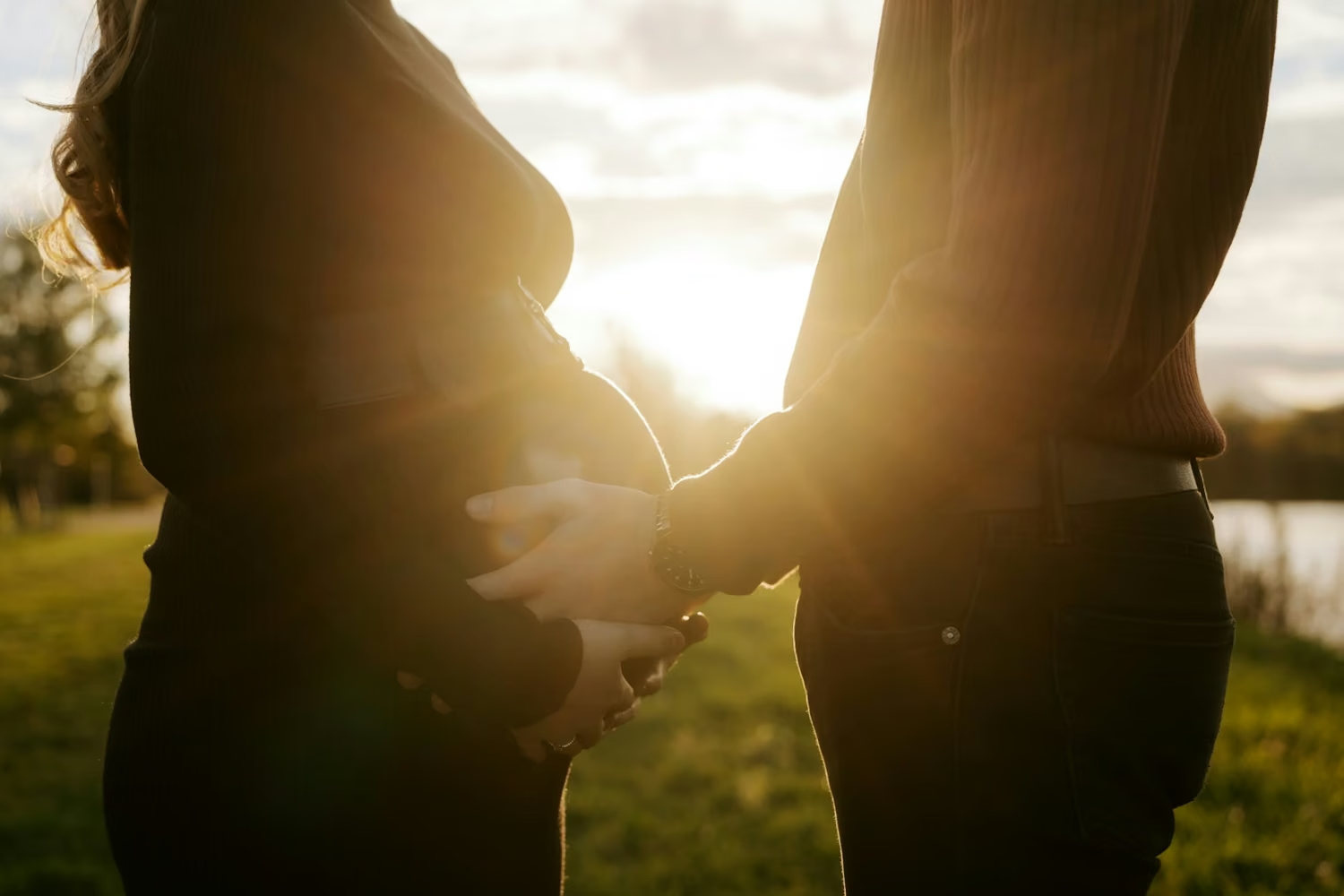
Maternity sessions work best with clothing that shows the shape of the bump. Fitted knit dresses, long flowing gowns, and an open button-down shirt over a fitted top all photograph well. Solid colors keep the focus where you want it, and a long skirt adds movement for both photos and film.
Many parents book maternity photos in the third trimester, often around 28 to 34 weeks, when the bump is clearly visible and moving around is still comfortable. Partners and older siblings can wear softer tones from the same palette so the expecting parent stands out slightly. Bring a second outfit if you’d like variety, plus flat shoes for walking between locations.
Pre-session checklist and what to bring
The week before your session:
- Confirm the palette and lay out every outfit together.
- Try everything on, including shoes, and check the fit.
- Wash, then steam or iron, and hang clothes so they travel without wrinkles.
- Book haircuts a week or two ahead, not the day before.
- Check the forecast and plan a layer for cooler weather.
- Confirm the meeting spot and parking details.
What to bring on the day:
- Snacks that won’t stain, such as crackers, apple slices or plain pretzels
- Water for everyone
- Baby wipes for sticky hands and faces
- A full change of clothes for each young child
- A lint roller, hairbrush, hair ties and bobby pins
- A blanket to sit on between shots
- Any small comfort item your child relies on
If you’re unsure about an outfit, send us a photo of the lineup before your session and we’ll give you an honest opinion. You can see more about how we run sessions on our family photography page, and our portrait sessions follow the same wardrobe principles.
Plan your family session with us
When you’re ready to pick a date and location, get in touch and we’ll help you plan the session, outfits included.